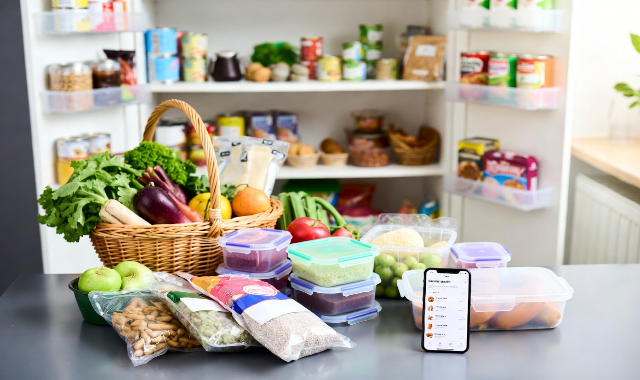
11 Tips to Shop Smarter: How to Save Money on Groceries?
11 Proven Strategies to Slash Your Grocery Bill by Up to 50%
With food prices rising over the past years, learning how to save money on groceries has become a necessity for many people. Whether it is shopping for a family, on a budget as a student, or simply wanting to be more financially responsible. These shopping strategies will have you saving plenty on your grocery bills without having to sacrifice quality or nutritional content.
In this comprehensive guide, we'll introduce you to 11 tried-and-tested methods of saving money on groceries that'll reduce your weekly grocery bill by up to 50%. These smart shopping tips combine traditional wisdom with modern technology to maximize your savings potential.
Let's dive into each strategy so you can understand how you can apply these money-saving tips on grocery shopping to your daily life.
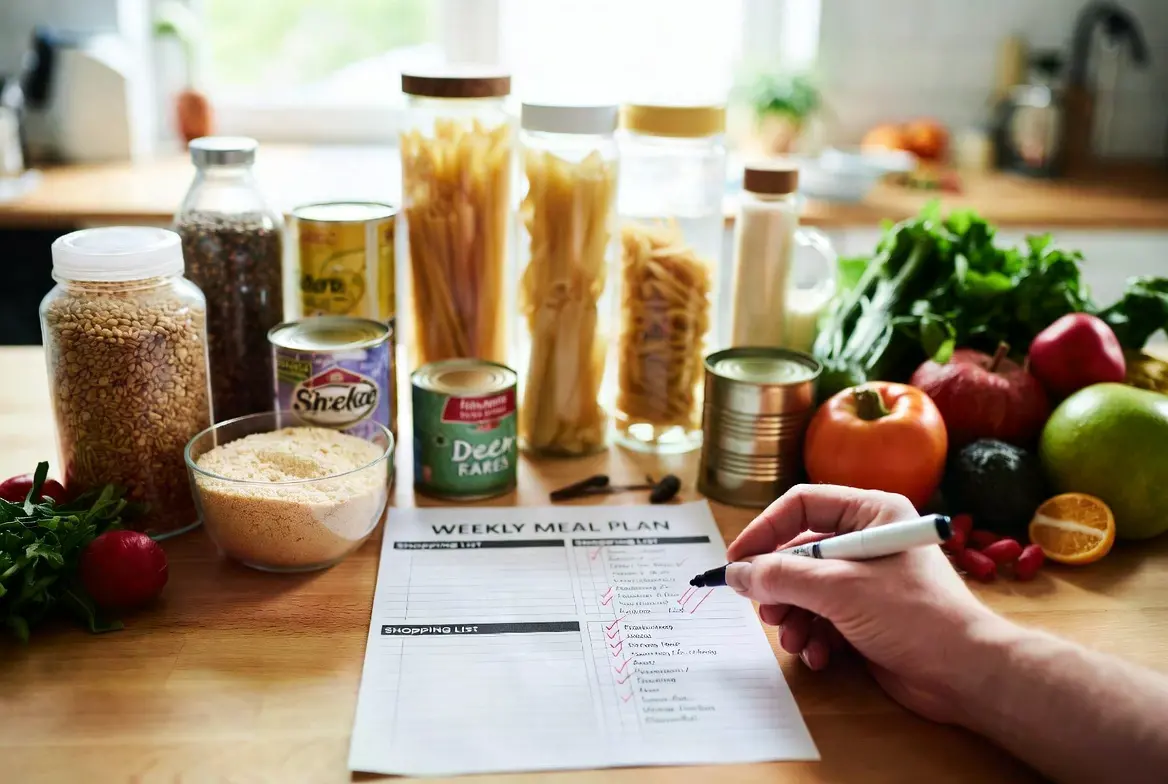
1. Plan Meals and Make a Shopping List

Our list starts with perhaps the most effective strategy for grocery shopping on a budget - planning your meals for the week. According to Business Insider, planning a weekly meal plan can reduce grocery bills by up to 50%. The secret is that when a meal is planned, you buy only what you really need, reducing impulse purchases and food waste.
Start by checking what is in your pantry, refrigerator, and freezer yet. Plan meals around these foods, adding only what is needed to the grocery list.
Advice from Family of Smart Shoppers: Create a list of the family’s favorite products and rotate through them. This makes meal planning faster and ensures that ingredients you bought - family will actually eat.
2. Shop Around for the Best Prices

Why pay more for the same thing? Grocery prices can vary greatly from store to store, even for the very same item. For example, eggs might be $2.49 at one store and $3.49 at another. That's a 60% savings on one item!
But let's be real - no one has time to shop at five different grocery stores just to save a few bucks. However, in Costless, you can get information about where to buy each item for less money in minutes, and it helps to compare prices among different locations. You can save anywhere from 10 to 60% of the grocery bill without clipping a coupon.
It’s like having a personal shopper, that browses all the stores for you, quickly, for free, and is extremely intelligent. No need to take a guess when you can compare.
3. Try Store Brands and Generics

Store brands and generics are usually 20-30% cheaper than name brands, but are frequently made by the same manufacturers. Blind taste-tested, that most consumers can't differentiate between store brands and their more expensive equivalents. For instance, a study conducted by “Which?” has found that Lidl’s supermarket own-brand chips scored higher than well-known brands like Lays and Tyrrells, despite costing significantly less.
There is no need to completely replace all your products with store brands; instead, start with basics like flour, sugar, salt, and cleaning products, where quality does not vary much. Then, gradually try store brands for other items. This time-tested technique reduces weekly expenses without a single compromise on quality.
4. Shop Near Closing Time

Supermarkets discount perishables, like bread, meat, and prepared meals at night so they won't have to be thrown away. Shopping an hour or two before the store closes can get you 30 to 50% off these items. Novus for example, a very popular store in Ukraine, has evening discounts where customers can enjoy up to 40% off on culinary products, such as baked goods and pre-cooked meals, after 8 pm.
Effective grocery shopping on a budget starts with knowing store sale cycles and timing your shopping accordingly. This works particularly well for items you'll be consuming that night or freezing immediately.
Advice from smart shoppers: Ask store employees what time they typically mark down perishables, as this can vary by location.
5. Start Shopping Online

Grocery store shelves are filled with distractions - treats, snacks, "limited-time" offers. That’s how just a simple shopping trip turns into a checkout shock. Shopping online helps to skip all that.
When you shop online, you're in control. You can filter by price, remain on your list, and avoid impulse buys that get into your shopping cart. It saves real time too - no wandering, no waiting in lines, no traffic. And you can check out your pantry as you shop, so you only purchase what you really need.
Whether you're planning meals for the week or grabbing essentials, online shopping helps to stay focused and organized - that's half the battle won.
6. Create Tasty Meals from What’s Already in Your Fridge
The average American family wastes about $1,700 worth of food annually (Polish: $600-700; Ukrainian and Lithuanian: $300). Scheduling a weekly “clean-out-the-fridge” meal forces to use up ingredients before they spoil, reducing waste and saving money.
When it comes to being economical with groceries, shopping strategically can make a big difference, but so can making the best use of what you already have. Get creative with soups, stir-fries, omelets, or pastas that can accept a variety of leftover ingredients. Also with Novus make it is easier to restock the needs to turn leftovers into complete meals, because Novus focuses on everyday staples, it’s often the quickest stop when you need just several basic ingredients to finish a meal.
Pro Tip: Keep a “use first” bin in your fridge for items that are approaching their expiration date so that they will not be forgotten.
7. Check Discounts and Compare Prices Online - Don’t Be Fooled by Fake Deals

Ever been tempted by a “30% off” sticker, thinking you’re scoring a bargain? Here’s the truth: not all discounts are as good as they look. Imagine this - you are walking into a store and see your favorite chips on sale. Feels like a win, right? But a quick online check shows another supermarket sells the same bag even cheaper - without any discount.
This happens more often than you think. Some “sales” are just clever pricing tricks. That’s why checking prices online before shopping can save a serious amount of money. Use in-store websites or professional comparison tools like Costless to see real-time promotions across stores. In 2025, smart shopping doesn’t start at the shelf - it starts on your screen.
So before grabbing that "deal," just ask yourself: Is this truly the cheapest? A 2-minute check will save more money in your pocket - and that is increasing fast.
8. Be Smart About Packaging - Bigger Isn’t Always Better

Buying in bulk often appears to make sense, especially if you are shopping for the family. But here is the twist: larger packs are not always the more cost-effective option. Sometimes, smaller sizes actually work out less expensive by the gram, cup, or sheet.
Let’s say you're buying coffee. Picking up the jumbo-size packet, thinking it'll save you money. But after doing the math, the smaller packs could be up to 25% cheaper overall. Insane, right? Not really. It's just clever pricing at work.
This simple trick can save a real money, especially on pantry staples like paper towels, tea, pasta, and coffee. Remember, the biggest pack might appear a bargain, but your wallet requires the real maths.
9. Avoid Pre-Cut and Pre-Prepared Foods
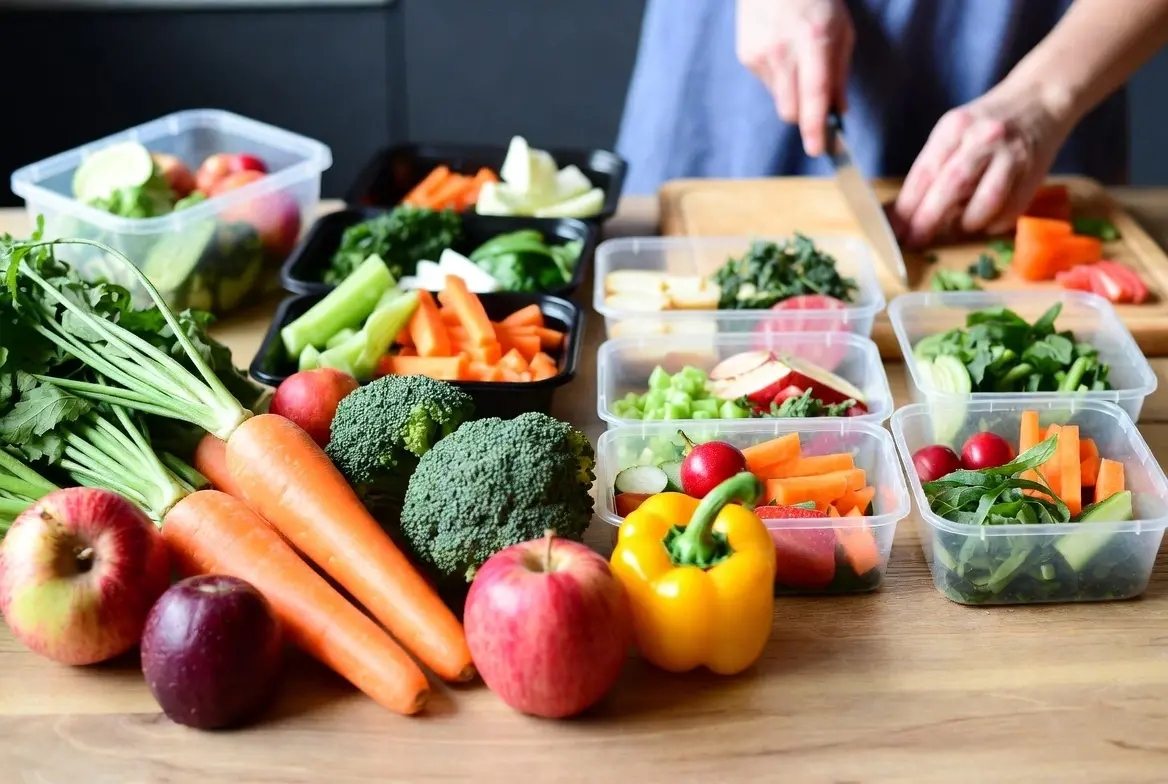
Pre-cut vegetables and fruits, pre-marinated meat, and pre-cooked meals can be as much as 300% more expensive than their whole form. Spending a few minutes on the prep work yourself can result in big savings.
A smart grocery shopping strategy involves balancing convenience with cost. Reserve convenience foods for exceptionally busy times, and do your own food prep when possible. Spending an hour on the weekend prepping vegetables can save both time and money during the week.
Our Advice: Invest in good-quality storage containers to keep prepped ingredients fresh throughout the week.
10. Grab Big Discounts by Abandoning Your Virtual Shopping Cart

Most of the online shops, including supermarkets, track abandoned carts and provide discount codes to finalize your purchase. Add items to the cart, enter your email address, then close the browser without making a purchase. After 24 - 48 hours, you might receive a discount code.
There are numerous ways to save money on groceries without sacrificing quality, and this mind trick is one, people tend to miss. Just don't use it for impulse shopping.
You can use a different email account for shopping to keep these discount coupons organized and avoid cluttering your main inbox.
11. Shop on a Full Stomach
Based on research by the University of Minnesota and USC, food spending increases by 60% when you shop on an empty stomach since hunger triggers individuals to impulse-purchase high-calorie, processed foods. Eating a small snack before shopping can help to stick to your list and make healthier choices.
Most students are learning to shop at the grocery store on a budget through careful meal planning and simple tricks like this one. This is especially useful for shopping for families, where impulse purchases can quickly snowball across multiple family members' preferences.
Shopping Tip: If you must shop when you're starving, stick strictly to your list and steer clear of walking down the aisles with tempting processed foods.
Bonus Tip: Track Your Savings

To stay motivated, keep a running account of how much you’re saving with these strategies. Many shoppers have found, that seeing their savings add up over time helps them stick with these habits. The average family implementing these strategies reports saving $50 - $100 weekly on groceries.
Conclusion
With food costs continuing to rise, the use of these money-saving grocery shopping tips has never been more essential. By combining, planning, a smart shopping and technology, you can significantly reduce grocery expenses without sacrificing quality and nutritional value.
Start with the usage of just two of these methods, then gradually add others as they become second nature. Most critical is consistency - small changes of the grocery shopping habits can mean big savings over time.
Which grocery saving tip will you try first? Start your journey to less expensive grocery shopping today and watch your savings grow week after week.