10 Winter Holiday Dishes From Around the World
Explore 10 iconic Christmas and New Year dishes, each rich in cultural history and symbolism, complete with ingredients and step-by-step instructions.
Winter holidays are not just dates on a calendar - they were built from rituals. Across cultures and nations, food became the main language of celebration: it unites family, memory, faith, superstition, and hope for the upcoming year. Many of these dishes appear only once a year, which makes them even more meaningful.
So here are 10 iconic Christmas and New Year dishes from different countries, presented in a structured, practical, and engaging way - with cultural background, symbolism, full ingredient lists, and detailed step-by-step instructions, just like in a well-crafted lifestyle food article.
For an opening we have the dish of the country, which we love and pray for.
1. Kutia, Ukraine
The dish that officially begins Christmas
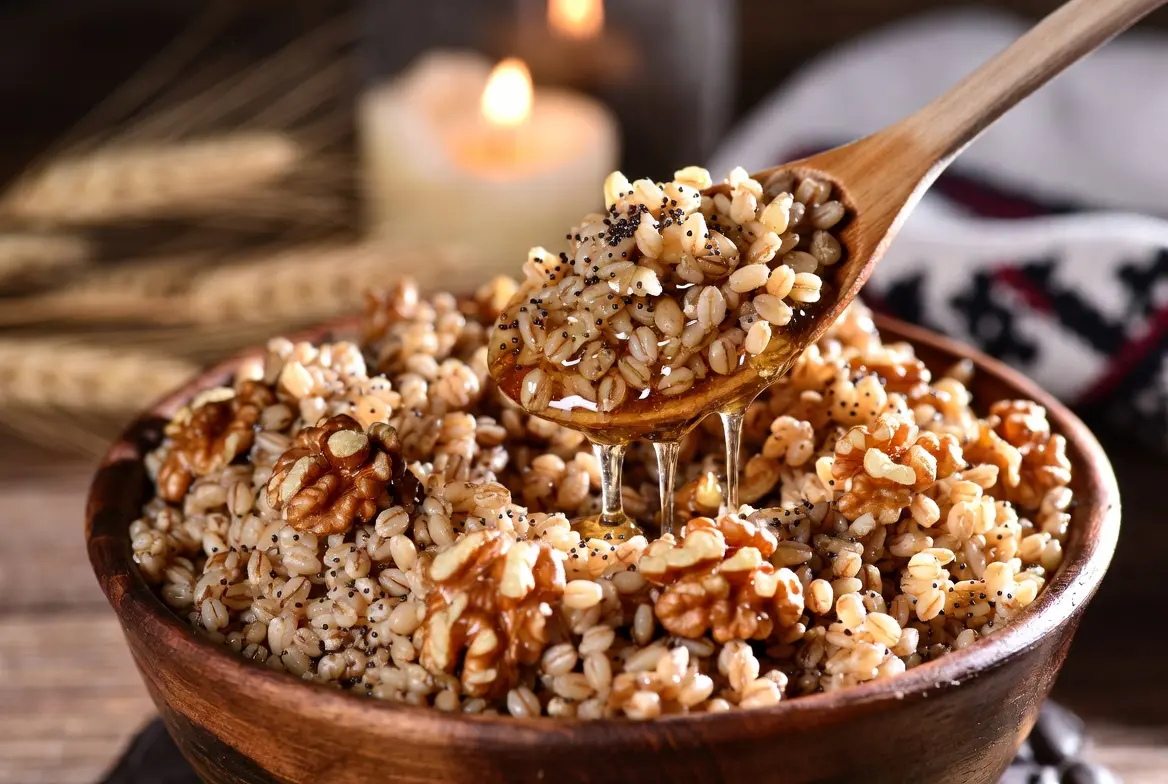
Kutia is not just a sweet grain dish - it is a sacred ritual that predates Christianity. Traditionally, it is the first dish served on Christmas Eve, marking the beginning of the holy supper. Families wait for the first star in the sky before sitting at the table. In many regions, the first spoonful of Kutia is thrown toward the ceiling. The more grains stick, the better the harvest and the better the cleaning will be. Some families leave a bowl of Kutia overnight for the spirits of ancestors.Historically, Ukrainians celebrated Christmas on January 7th, following the Julian calendar used by the Orthodox Church. In recent years, the celebration has shifted to December 25th, not because of religious change, but due to the transition to the Gregorian calendar.
You definitely should try it:
Ingredients (about 6 servings)
- 1 cup of wheat berries (or short-grain rice as a modern alternative)
- 3 of cups water
- 1/2 cup of ground poppy seeds
- 1/3 cup of honey (adjust to taste)
- 1/2 cup of chopped walnuts
Optional additions:
- 1/4 cup of raisins or dried cranberries
- 1 teaspoon of orange zest
- 1/2 teaspoon of cinnamon
- 1 tablespoon of brandy or rum
Step-by-Step Instructions
- Rinse wheat berries thoroughly and soak overnight in cold water.
- Drain, add 3 cups of fresh water, bring to a boil, then simmer for 60-90 minutes until tender. (Rice option: cook according to package instructions.)
- Grind poppy seeds until they release natural oils and become slightly creamy.
- Combine cooked grains, poppy seeds, walnuts, and dried fruit in a large bowl.
- Warm honey slightly and mix it in evenly, and gently - it loves that.
- Add optional spices or alcohol if desired.
- Chill (yourself and Kutia) for at least 2 hours before serving.
Symbolism
- Wheat — life, continuity, rebirth
- Honey — prosperity and sweetness of life
- Poppy seeds — protection and remembrance
2. Roast Turkey, USA
The bird that gathers everyone at the table
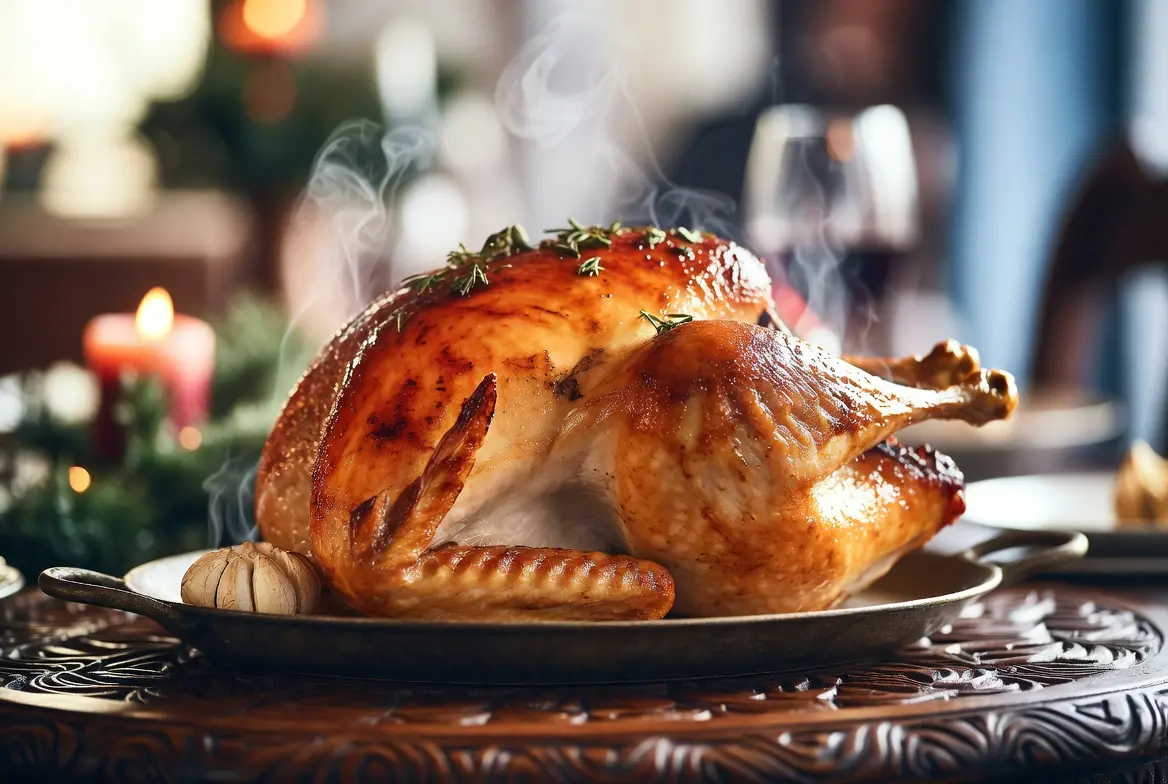
While turkey dominates Thanksgiving, it also plays a major role in Christmas dinners across the United States. Cooking turkey - requires a combined family effort, and leftovers are almost as important as the main meal, such as soups, bread, etc. The largest turkey ever recorded, weighted over 39 kg!
Ingredients (8-10 servings)
- 1 whole turkey
- 100g unsalted butter, softened
- 4 cloves of garlic, minced
- 2 teaspoons of salt
- 1 teaspoon of black pepper
- Fresh herbs: rosemary, thyme, sage
- 1 onion and 1 apple, quartered (for cavity)
Step-by-Step Instructions
- Preheat the oven to 165-175°C.
- Dry the turkey with paper towels.
- Mix butter, garlic, salt, pepper, and chopped herbs.
- Rub the mixture inside and outside of the turkey.
- Stuff cavity with onion, apple, and herbs.
- Roast uncovered for about 15 minutes per 500g, basting every 30-40 minutes.
- Internal temperature should reach about 75°C.
- Give it a rest for 20 minutes before carving.
Symbolism
- Abundance
- Generosity
- Family unity
3. Stollen, Germany
The cake that rewards patience
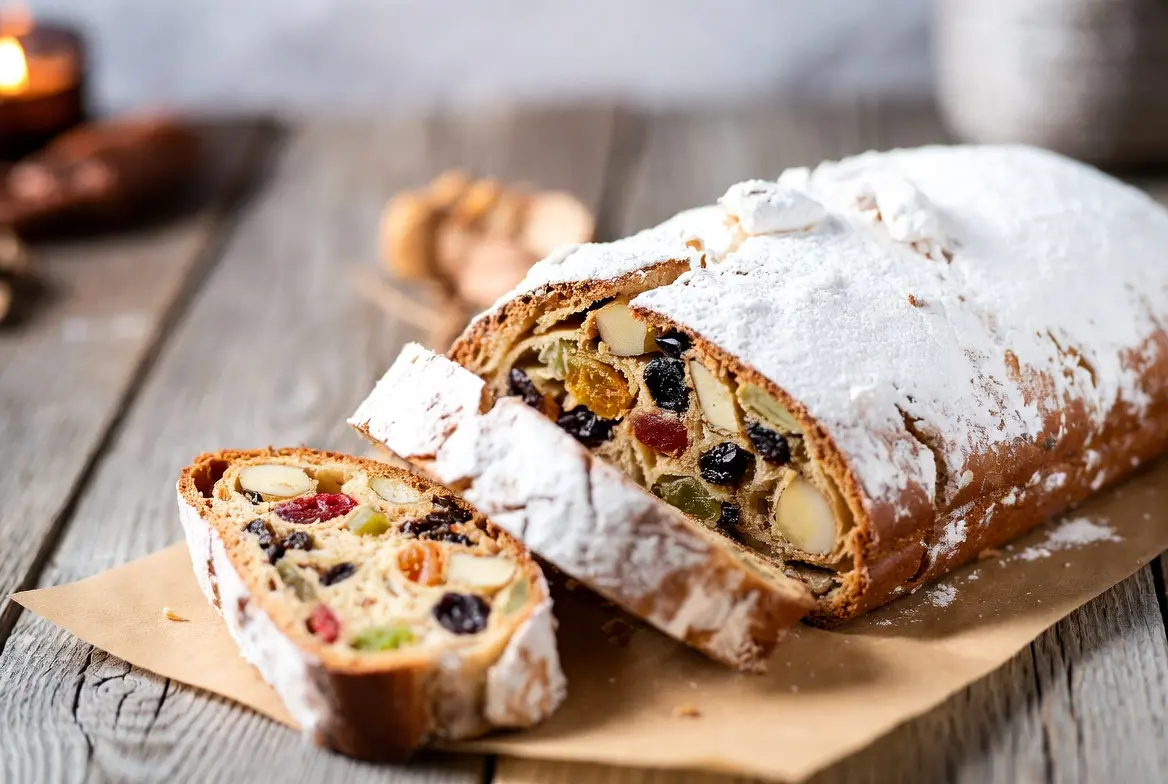
Stollen dates back to the Middle Ages and was once plain bread due to fasting rules. Over time, it has evolved into a rich, fruit-filled Christmas cake. Germans often bake it weeks before Christmas, allowing flavors to mature and to absorb love, even more.
Ingredients (1 large loaf)
- 500g flour
- 250g butter
- 200ml milk
- 75g sugar
- 1 packet of dry yeast
- 200g dried fruits (raisins, candied citrus)
- 100g chopped nuts
- 200g marzipan (optional)
- Powdered sugar for dusting
Step-by-Step Instructions
- Dissolve yeast in warm milk with a teaspoon of sugar.
- Combine flour, sugar, butter, yeast mixture, fruits, and nuts.
- Knead until smooth, let rise 1.5 hours.
- Shape dough, place marzipan inside if using.
- Bake at 180°C for 45-50 minutes.
- Cool and dust heavily with powdered sugar.
Symbolism
- The shape represents the baby Jesus wrapped in swaddling clothes.
4. Bûche de Noël, France
A Yule log you don’t burn, you eat
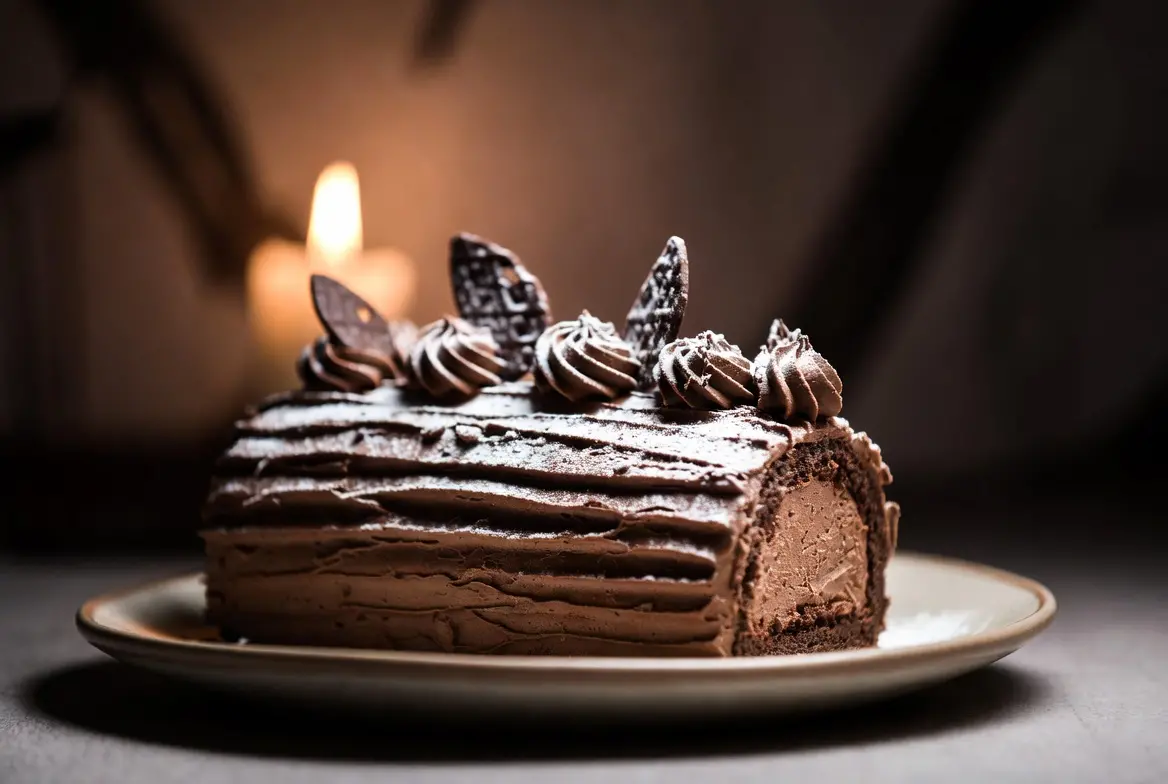
Inspired by the ancient tradition of burning a Yule log for warmth and luck, then French bakers turned it into an elegant dessert.
Ingredients
- 4 eggs
- 100g sugar
- 100g flour
- 30g cocoa powder
- 250ml heavy cream
- 200g dark chocolate
Step-by-Step Instructions
- Beat eggs and sugar until pale and fluffy.
- Fold in flour and cocoa.
- Bake a thin sponge at 180°C for 10-12 minutes.
- Roll warm sponge with towel, cool.
- Fill with whipped cream, re-roll.
- Cover with chocolate ganache and decorate.
Brings:
- Warmth, light, and family comfort
5. Panettone, Italy
A cake that teaches slow enjoyment
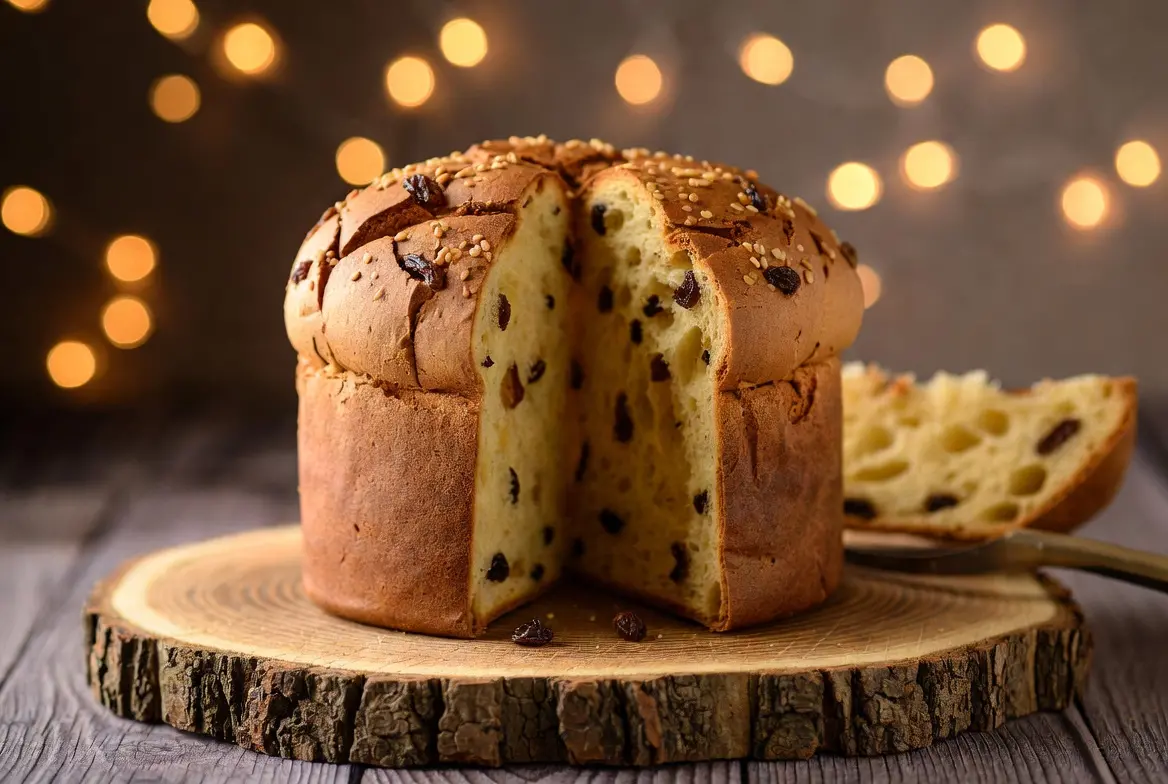
Originating in Milan, panettone requires long fermentation. Italians slice it slowly, often eating it for days after Christmas.
Ingredients
- 500g flour
- 4 eggs
- 150g sugar
- 200g butter
- 200g raisins and candied fruit
- Yeast, milk
Step-by-Step Instructions
- Prepare enriched dough and let rise several hours.
- Fold in fruits.
- Bake at 170°C for 40–45 minutes.
- Cool upside down to maintain structure.
6. Christmas Cake, Japan
A modern tradition with strawberries and cream
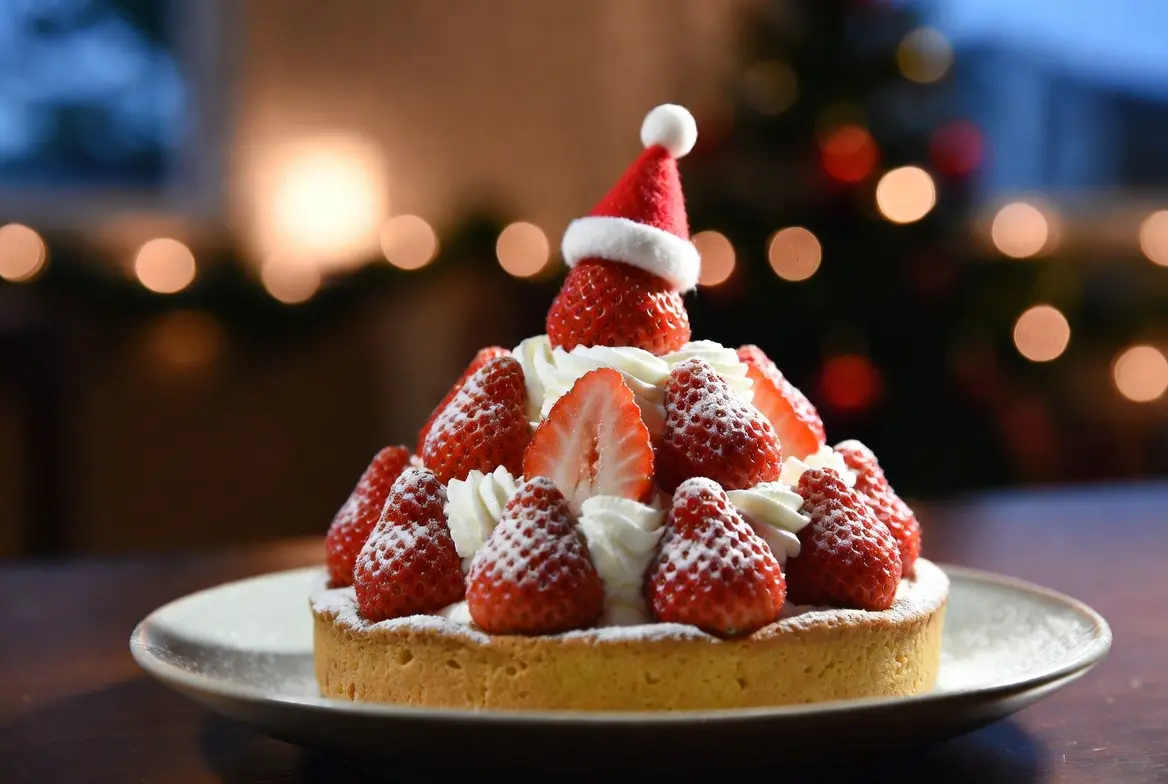
Introduced in the 20th century, this cake became a symbol of modern Japanese Christmas joy. Department store lines are legendary… but that is fair enough!
Even though it’s simple, it’s awesome, and you should try this one:
- Sponge cake layers
- Whipped cream
- Fresh strawberries
Step-by-Step Instructions
- Slice sponge horizontally.
- Layer cream and strawberries.
- Chill before serving.
7. Christmas Carp, Poland
A dish eaten only once a year
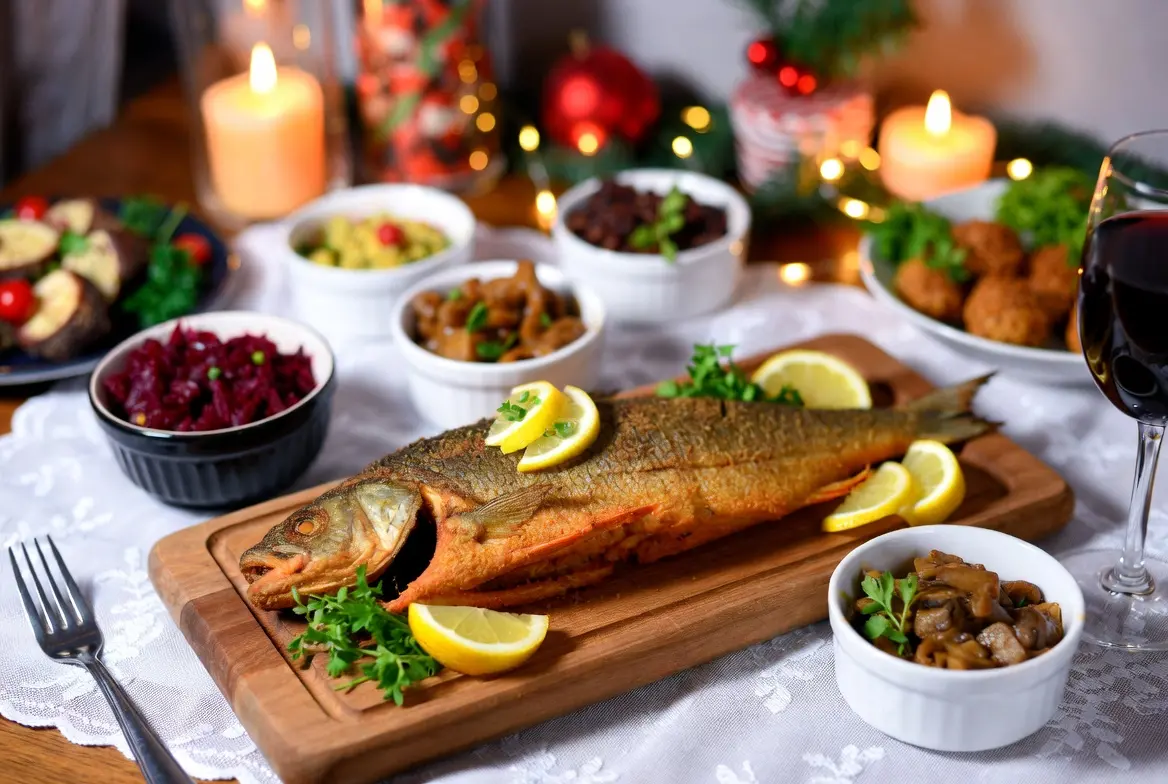
Carp is traditionally served on Christmas Eve. Some families kept carp alive for days before cooking.
Ingredients
- Carp fillets
- Flour, oil, salt, pepper
- Lemon
Step-by-Step Instructions
- Season fish, coat lightly in flour.
- Fry 5-7 minutes per side until golden.
- Serve with lemon.
8. Twelve Grapes, Spain
One grape for each month of luck
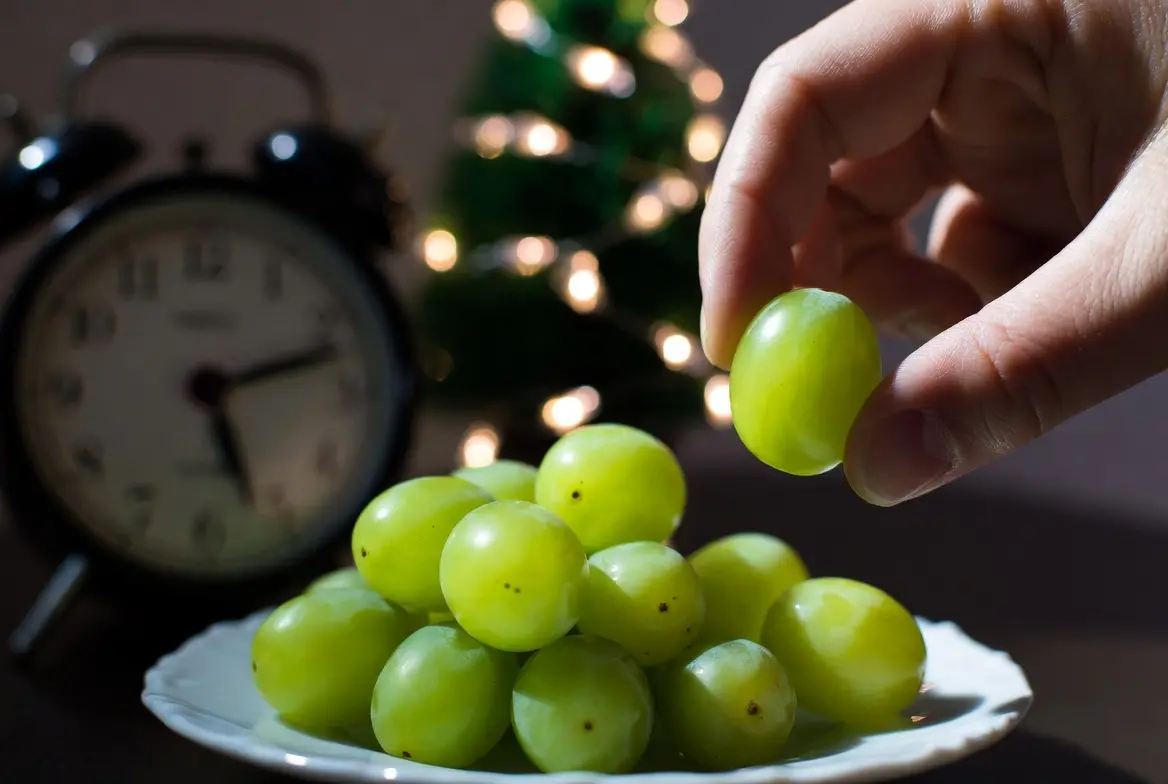
At midnight, Spaniards eat one grape per bell chime. Missing one is said to bring bad luck for that month. So don’t miss out!
Ingredients are as easy as you can imagine:
- 12 seedless grapes per person
How to Enjoy
- Chill grapes.
- Eat one with each chime.
- Toast after the last one.
9. Fried Carp & Potato Salad, Czech Republic
A Christmas Eve comfort classic
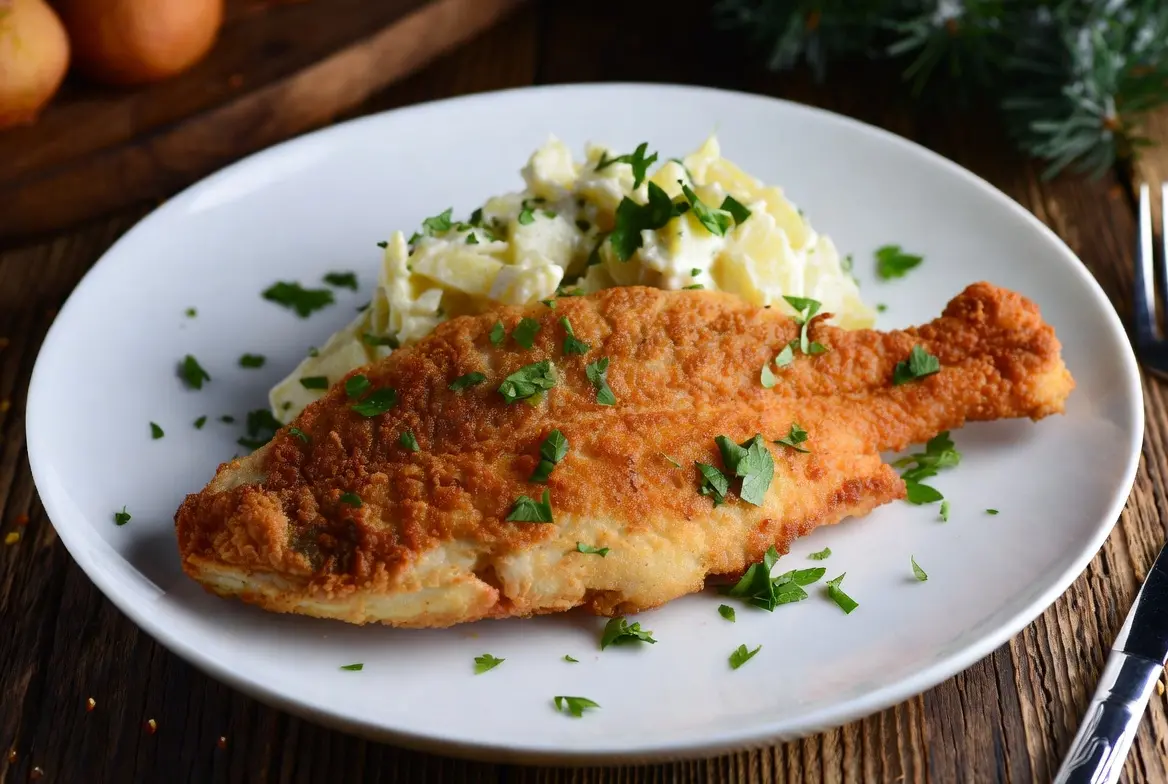
Shared across Central Europe, this dish appears only once a year.
Ingredients
- Carp fillets
- Potatoes
- Eggs
- Mayonnaise
- Pickles, onion (optional)
Step-by-Step Instructions
- Fry carp until golden.
- Boil potatoes and eggs.
- Mix with mayonnaise and season.
- Serve warm. Warm as nostalgia about those days.
10. Vasilopita, Greece
A cake when everyone watches closely
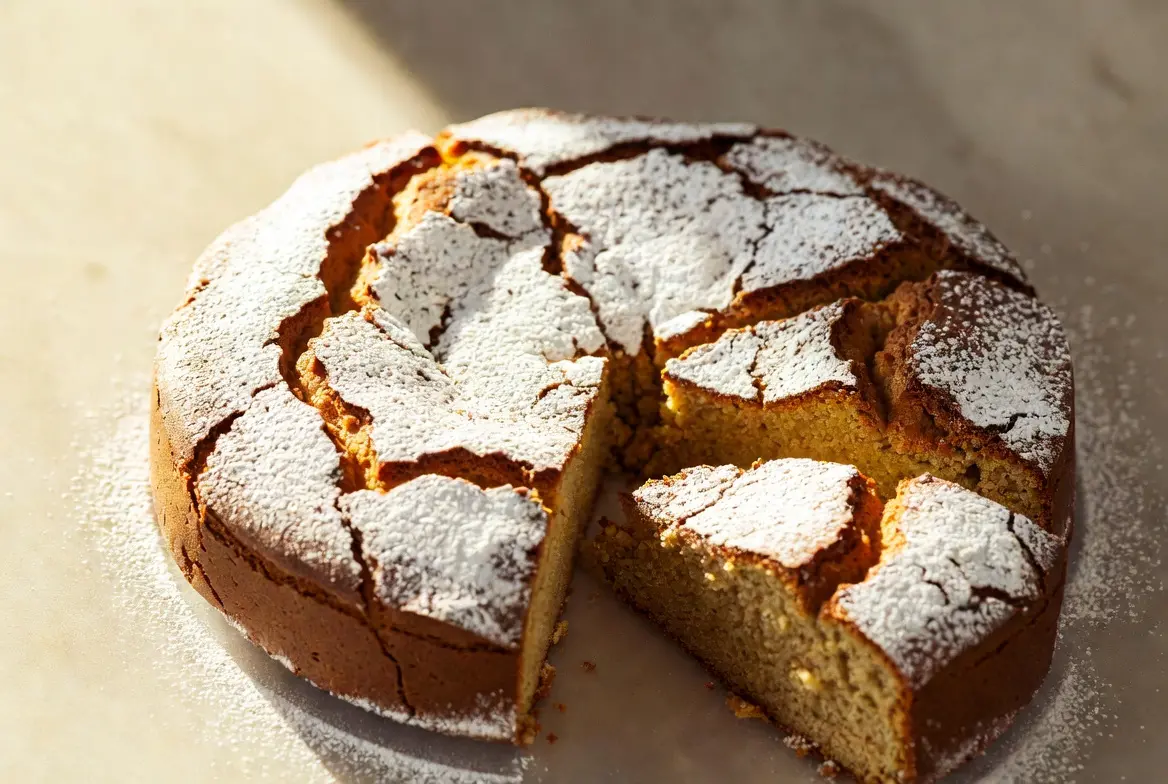
Baked on New Year’s Day with a hidden coin inside. Whoever finds it gets a year of luck.
Ingredients
- Flour
- Sugar
- Eggs
- Butter
- Orange zest
Step-by-Step Instructions
- Prepare simple cake batter.
- Hide coin wrapped in foil.
- Bake at 180°C for 40 minutes.
- Slice ceremonially.
Final Thought
Holidays don’t just feed us - they connect generations, preserve memory, and turn ordinary meals into meaningful rituals. From ancient Kutia to modern strawberry cake, each dish tells a story, worth keeping.
Celebrate slowly. Eat thoughtfully. Keep traditions alive. Merry Christmas and Happy New Year!